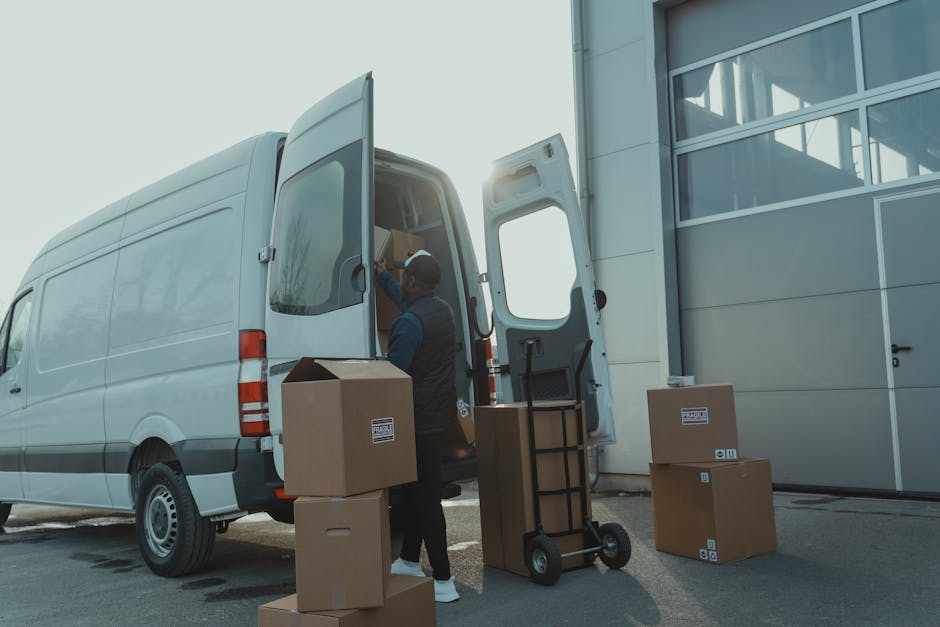
Man and van Walthamstow Market small move specialist: a practical local guide for moving the easy way
If you are planning a small move around Walthamstow Market, you probably do not need a huge lorry, a full-blown removals crew, or a morning that turns into a logistical soap opera. What you need is a Man and van Walthamstow Market small move specialist who understands tight streets, quick turnarounds, and the sort of everyday move that still feels important because, well, it is. A few boxes, a sofa, a bed frame, maybe a flat-packed desk and a plant you have somehow kept alive. That kind of move.
This guide explains what a small-move specialist actually does, when it makes sense, how to plan the job properly, and what to check before you book. You will also find a practical checklist, a comparison table, and a real-world example so you can make a sensible decision without second-guessing yourself later.
Short version: if you need a flexible, local, low-fuss moving option near Walthamstow Market, a specialist man and van service can be the neatest fit.
Why Man and van Walthamstow Market small move specialist Matters
Walthamstow Market has its own rhythm. It is busy, lively, and occasionally awkward for bigger vehicles, especially when everyone seems to be loading, unloading, shopping, or trying to squeeze through the same stretch of road at once. A small move specialist matters here because the move is not only about transport; it is about timing, access, and keeping disruption low.
That is where a man and van service earns its keep. Instead of booking a large removal operation for a job that only needs one vehicle and one or two careful hands, you get a more agile setup. For many people, that means fewer wasted costs and less fuss. For others, it means the difference between a smooth afternoon and a very long day with boxes in the hallway.
There is also a trust element. A local mover who regularly works around E17 will usually be more familiar with parking pressure, narrow roads, short notice changes, and the practical realities of moving near a market area. You do not want someone discovering the access issue while standing outside your building at 8:30 in the morning. Been there, seen that, not ideal.
For a small move, the best service is not the biggest one. It is the one that matches the size, access, and timing of the job without overcomplicating things.
In our experience, people often underestimate how much energy a "small" move can take. Even a one-room move can feel heavy once you start carrying awkward furniture, protecting fragile items, and trying to keep neighbours happy. A specialist helps reduce that friction, which is really the whole point.
How Man and van Walthamstow Market small move specialist Works
The process is usually straightforward, but it helps to understand the moving parts before you book. A good small-move service normally starts with a short assessment of what you need moved, where it is going, and whether there are any access issues. That might be a ground-floor flat, a top-floor room with stairs that seem to get narrower by the minute, or a mixed load of furniture and boxed belongings.
From there, the mover will estimate the vehicle size, the number of people needed, and the time required. For small jobs, this may be a single van with one or two people. For slightly more awkward jobs, such as a heavy wardrobe plus several delicate items, extra help or protective kit may be included. Simple enough on paper. In real life, the details matter.
Usually, the service is most efficient when the customer has already sorted the items into clear groups: keep, move, donate, recycle, or dispose. That saves time on the day and reduces confusion. It also lets the mover pack the van more intelligently so everything arrives in one piece instead of playing musical chairs in the back of the vehicle.
Here is the typical flow:
- Initial enquiry: you explain the move, the locations, and the size of the load.
- Quote or estimate: the mover prices the job based on time, distance, access, and any extras.
- Confirmation: date, time, addresses, and special instructions are agreed.
- Arrival and loading: the van turns up, items are checked, and loading begins.
- Transport: the load is driven safely to the destination.
- Unloading: items are placed where agreed, and any final checks are completed.
That sounds simple because, ideally, it is. The trick is making the job simple before move day begins. A little planning goes a long way.
Key Benefits and Practical Advantages
The main appeal of a small move specialist is efficiency. You are not paying for an oversized solution when your move is compact and local. But there are other benefits too, and some are easy to miss until you have done a move the hard way.
- Lower overhead for smaller jobs: suitable when you are moving only a few items, part of a flat, or a single room.
- Faster turnaround: a smaller job can often be completed more quickly, especially with good access and clear instructions.
- More flexible timing: small moves are often easier to fit around busy schedules, short notice changes, or awkward delivery windows.
- Local knowledge: a mover who knows Walthamstow Market and the surrounding streets can plan around parking and access better.
- Care with awkward items: smaller teams can still be highly attentive with fragile, heavy, or oddly shaped belongings.
- Less waste: the right-sized vehicle and crew can reduce unnecessary mileage and empty space.
There is a practical side to all this that people appreciate once the job is done. Less waiting around. Less back-and-forth. Less "we should have booked something smaller" regret. Simple, really.
Good for: student moves, studio flats, single-room clearances, furniture deliveries, online marketplace collections, and small household transfers between local addresses.
Not always ideal for: large family homes, very large inventories, or moves with extensive packing requirements unless the service is scaled up accordingly.
Who This Is For and When It Makes Sense
A Man and van Walthamstow Market small move specialist is not just for people changing address. It can make sense in a lot of everyday situations. Truth be told, many customers do not think of their need as a "move" at all until they start planning it.
You may benefit from this kind of service if you are:
- moving between flats or rooms in the local area
- transporting a few items after buying furniture privately
- clearing a spare room, garage, or storage space
- relocating from a studio or one-bedroom property
- moving one or two bulky items that will not fit in a car
- sending belongings to family, a new tenancy, or a short-term rental
- booking a small commercial move for office equipment or stock
It also makes sense if you want less stress. That sounds obvious, but a lot of moving decisions are really stress decisions in disguise. Do you want to make five car trips with a borrowed hatchback, or would you prefer one organised journey with someone who knows how to load properly? Exactly.
For local residents, the service can be particularly useful around transitional moments: first flat, new job, downsizing, breakup, student move, or the classic "we have somehow accumulated too much stuff" phase. Happens to the best of us.
Step-by-Step Guidance
If you want the move to go smoothly, treat it like a small project. Not a huge one. Just enough structure to stop it becoming chaotic. Here is the cleanest way to handle it.
1. List everything that needs to move
Start with a simple inventory. Write down the furniture, boxes, fragile items, and anything unusually heavy or awkward. A couple of kitchen boxes? Fine. A mirrored wardrobe with loose doors? Mention it. The mover needs the real picture, not the optimistic version.
2. Measure problem items
Doorways, stair turns, lift size, and long furniture dimensions can make all the difference. If you have ever watched a sofa wedge itself halfway through a stairwell, you already know why this matters. Measure once, avoid swearing twice.
3. Check access at both ends
Think about parking, loading distance, stairs, estate restrictions, and time limits. If there is no easy stopping place near the property, say so early. That allows the mover to plan accordingly and helps avoid wasted time.
4. Pack and label clearly
Use sturdy boxes, tape them properly, and label the sides. Mark fragile items clearly, but do not assume labels alone will protect them. Good packing still matters. A lot.
5. Set aside essentials separately
Keep documents, chargers, medication, keys, and valuables with you. This is one of those small details that saves a great deal of annoyance later.
6. Confirm timing and contact details
On the day, make sure the mover can reach you quickly. Delays often happen because someone is at the wrong entrance or a phone number is out of date. Simple stuff, yet it causes trouble.
7. Do a final walk-through
Before leaving, check cupboards, windows, under beds, and behind doors. People leave things behind all the time. You are not the first. You will not be the last.
That sequence may seem basic, but basic is what works. The fewer surprises on move day, the smoother everything feels.
Expert Tips for Better Results
Small moves become much easier when you think like a mover for ten minutes. You do not need to become one, obviously, but a little perspective helps.
Use the van space efficiently. Heavier items should usually go in first, with lighter and more delicate items layered safely around them. This reduces shifting in transit and makes unloading easier.
Keep similar items together. Books with books, kitchen items with kitchen items, cables with cables. Sounds dull, but it stops the "where did that little bag go?" game later.
Photograph complex items before disassembly. Furniture with brackets, screws, or removable parts should be photographed before it is taken apart. Future you will be grateful. Very grateful.
Be honest about difficult items. If something is especially fragile, heavy, or awkward, say so. Mover know-how is useful, but only if they have the facts.
Book a time with a little breathing room. If your building has access rules or your schedule is tight, avoid cutting the timing too fine. A 20-minute cushion can be the difference between calm and chaos.
Ask how items will be protected. Blankets, straps, covers, and careful loading all matter. Good handling is not about drama; it is about quiet competence.
One more thing. If a quote feels too vague, ask follow-up questions. There is nothing awkward about that. Better to ask now than puzzle over the bill later.
Common Mistakes to Avoid
Most moving problems are boringly predictable. That is actually good news, because predictable problems can be avoided.
- Underestimating the load: a few boxes can turn into ten, and one wardrobe can turn into a full flat's worth of awkwardness.
- Forgetting access details: no parking, no lift, or a long walk from the van all affect the job.
- Poor packing: weak boxes, loose lids, and overfilled bags make the move slower and riskier.
- Not checking the size of larger items: sofas and beds are the classic troublemakers.
- Leaving booking too late: good local slots can fill up, especially around weekends and month-end.
- Assuming every man and van service is the same: not all providers handle the same type of job or level of care.
- Not clarifying what is included: loading, unloading, stairs, waiting time, and packing help should all be understood in advance.
There is also a mindset mistake: treating a small move like it cannot go wrong. It can. Usually in small, annoying ways rather than dramatic ones. Those are the worst kind, to be fair.
Tools, Resources and Recommendations
You do not need much specialist equipment for a small move, but the right basics can make the whole process feel calmer and more controlled.
- Strong boxes: especially for books, crockery, and mixed household items.
- Packing tape and tape gun: the difference between a box that holds and a box that sighs open halfway through a stairwell.
- Furniture blankets: useful for protecting wood, painted surfaces, and awkward corners.
- Straps or ties: help keep items stable in the van.
- Marker pens and labels: simple, useful, strangely underappreciated.
- Bubble wrap or paper: for fragile items, picture frames, and small electronics.
- Reusable crates or tote boxes: handy for lighter items if you want a more organised load.
If you are planning a move with more than a handful of boxes, consider a short packing session before the mover arrives. Even 30 minutes of prep can save a lot of time on the day. The room looks different when everything is already sorted. Less clutter, fewer decisions, more momentum.
For related reading on local moving types, you may also find it useful to look at man and van services, moving van options, and packing and unpacking support if you want a broader sense of what can be included.
Law, Compliance, Standards, and Best Practice
Small moves are practical jobs, but they still sit within normal UK expectations for safe transport, fair trading, and responsible handling. You do not need to become a legal expert just to move a sofa, thankfully. Still, a few things are worth knowing.
A reputable moving provider should be able to explain how items are handled safely, whether the vehicle is appropriate for the job, and how customer belongings are protected in transit. Insurance is another sensible check. You do not need a lecture on policy wording, but you should know what level of cover is offered and what is excluded. That is just good practice.
It is also sensible for businesses to keep clear terms and conditions, handle payments securely, and offer a straightforward complaints process. That tells you a lot about how the company operates. A tidy booking process often reflects a tidy moving process, or at least that is the hope.
If you are moving waste or items for disposal, check that this is handled responsibly. Recycling and sustainability matter, especially if you are clearing out old furniture or mixed household contents. A mover who thinks about reuse, recycling, and disposal properly is generally one you can trust to think beyond the job in front of them.
For customers with access needs or other requirements, clear communication is important. A service should be accessible in its information and practical in its arrangements where possible. If something needs discussing in advance, do it early. Much easier than trying to fix it on the doorstep.
You can review useful company policies and service details such as insurance and safety, payment and security, and terms and conditions before booking. Those pages help set expectations, which is half the battle with any move.
Options, Methods, or Comparison Table
If you are not sure whether to book a small move specialist, it helps to compare the common options side by side. Here is the practical version, without the fluff.
| Option | Best for | Strengths | Limitations |
|---|---|---|---|
| Man and van small move specialist | Few items, local moves, single rooms, quick jobs | Flexible, usually cost-effective, easier to book for short trips | May not suit very large or complex house moves |
| Full removal company | Larger households, multi-room moves, larger inventories | More capacity, often more packing support | Can be more than you need for a small job |
| Self-move with a car or rented vehicle | Very small loads, low-budget moves, simple collections | Can be cheap if the job is tiny | More effort, more trips, greater risk of damage or fatigue |
| Courier or specialist item transport | Single high-value or fragile items | Useful for one-off items | Less practical for mixed household belongings |
So, which one is right? If your move is local, modest in size, and time matters, the small-move man and van option is often the sweet spot. If you have a large family home and a mountain of boxes, you probably need a different setup. No shame in that at all.
Case Study or Real-World Example
Imagine a couple moving from a one-bedroom flat near Walthamstow Market to a nearby street a short drive away. They have a bed frame, mattress, two armchairs, six boxes, a mirror, and a couple of fragile lamps. Nothing enormous, but too much for a car. They also have a narrow staircase and limited parking at the new property.
Instead of hiring a large removals crew, they book a small move specialist. The mover asks for a list of items, notes the stairs and parking issue, and turns up with the right-sized vehicle plus blankets and straps. Loading is planned around the heavier items first, the mirror is protected separately, and the lamps are kept away from the furniture stack. The move takes less time than the couple expected, mainly because they had packed clearly and labelled the boxes.
The useful bit here is not that everything went perfectly. It is that the plan matched the job. That is what makes a small move feel manageable instead of exhausting. A local move like this does not need fanfare. It just needs decent preparation and a mover who knows what they are doing.
And yes, the kettle was unpacked first. As it should be.
Practical Checklist
Use this checklist before your move date. It is simple, but it catches most of the annoying little things.
- List all items to be moved
- Measure large or awkward furniture
- Check access at both addresses
- Confirm parking and loading arrangements
- Pack fragile items with enough protection
- Label boxes by room or priority
- Separate essentials and valuables
- Confirm date, time, and contact details
- Ask what is included in the price
- Check insurance, payment terms, and any extra charges
- Keep pathways clear for loading
- Do a final walk-through before leaving
Quick reminder: if something looks like it might be awkward, it probably is. Mention it early and save yourself the hassle.
Conclusion
A Man and van Walthamstow Market small move specialist is a smart choice when you want a local, flexible, and practical way to move a modest load without paying for more than you need. The real value comes from matching the service to the job: right-sized vehicle, clear communication, sensible packing, and local know-how.
For many people, that combination is what turns moving day from a stressful scramble into a straightforward task. Not glamorous, perhaps. But effective. And honestly, that is what most of us want when there are stairs, boxes, and a tight schedule involved.
If you are comparing options, start with the size of the job, the access at both addresses, and the level of help you actually need. That will point you in the right direction far faster than chasing the cheapest headline price alone.
Get a free quote today and see how much you can save.
Sometimes the best move is the one that simply feels manageable. That peace of mind is worth quite a lot.
Frequently Asked Questions
What does a Man and van Walthamstow Market small move specialist actually do?
They help with smaller moves that do not require a full removal service. That can include single-room moves, a few bulky items, local furniture transport, or short-distance household transfers.
Is a man and van service cheaper than a full removal company?
For smaller jobs, it often is, because you are not paying for unnecessary capacity. The final cost depends on distance, access, time, and the amount of help needed.
How far in advance should I book?
As early as you can, especially if your move is near a weekend, month-end, or a busy local period. Small jobs can sometimes be arranged quickly, but last-minute availability is never guaranteed.
Can I use this service for one piece of furniture?
Yes, if the item is too large or awkward for your car and you want it handled properly. A sofa, wardrobe, mattress, or dining table are common examples.
What if my building has difficult access?
Tell the mover before booking. Narrow stairs, no lift, limited parking, or long carrying distances all affect planning and pricing.
Do I need to pack everything myself?
Not always. Some movers can assist with packing or unpacking, depending on the service offered. Even if you do most of it yourself, good packing materials make a big difference.
How long does a small move usually take?
It varies a lot. A local move with a handful of boxes and a few items may be completed fairly quickly, while awkward access or heavy furniture can add time. The best approach is to share accurate details upfront.
Is insurance included?
It should be checked before booking. Ask what cover is provided, what it applies to, and whether any exclusions affect fragile or high-value items.
What should I do with items I do not want anymore?
Separate them before the move if possible. That makes it easier to decide what is being moved, what is being donated, and what should be recycled or disposed of responsibly.
Can I book a small move for office items too?
Yes. Small commercial moves are common, especially for desks, chairs, files, monitors, or stock that needs transferring between nearby premises.
How do I know if I need a van or a bigger removals vehicle?
Think about volume, weight, and access. If a few boxes and furniture items fill a van comfortably, a small-move service is likely enough. If you are moving a whole household, you may need a larger setup.
What is the main mistake people make with small moves?
Underestimating the job. A move that looks tiny at first can become complicated if items are awkward, access is poor, or packing is not done well. A clear plan avoids most of that.
Contact the team if you want to discuss your move in more detail, or browse the wider removal services overview for a better sense of what fits your situation. If you are still exploring the area and local context, the Walthamstow removals guide for narrow terraced homes in E17 is also a useful read.